
Blue Monday - Too Good For Its Own Good
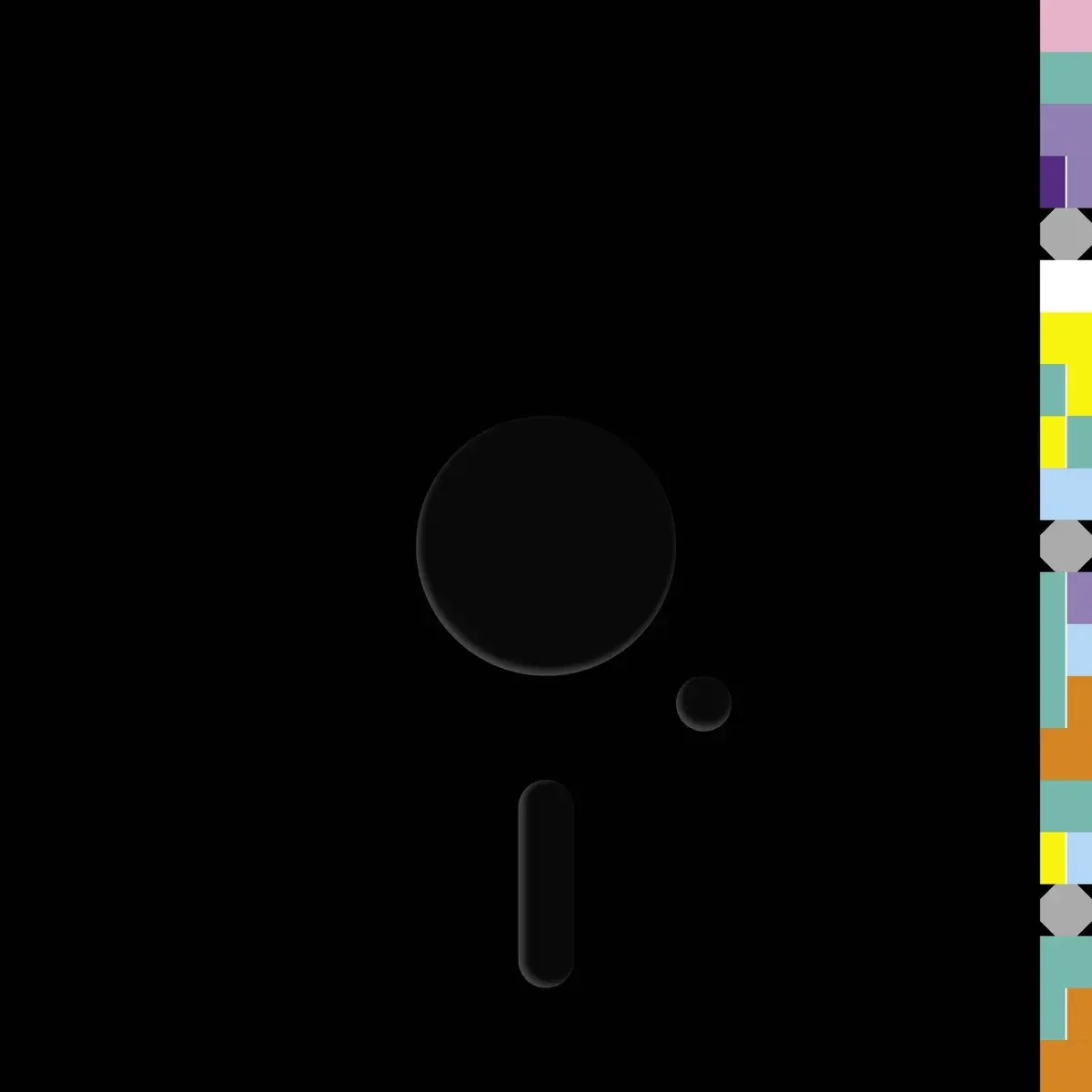
New Order · Cover Stories · No. 01
Most record sleeves are packaging. Blue Monday was an object.
When New Order released Blue Monday in 1983, everything about it felt like it belonged to the future. The song didn't behave like a normal single. Over seven minutes long, driven by drum machines and sequencers, it sounded more like something discovered in a nightclub than made by a guitar band.
The cover needed to do the same.
Designer Peter Saville didn't show the band. He didn't explain the music. He designed something that looked like a piece of technology — inspired by a computer floppy disk, the sleeve turned the record into a machine. Die-cut sections, a silver inner sleeve, a mysterious colour code running down the side. Less record shop, more laboratory.
In the early 1980s, that was radical.
While most artists were still using photography and traditional artwork, New Order and Factory Records understood that design could build a whole world around the music. The sleeve didn't tell you who New Order were. It made you want to find out.
The most famous part of the story is also the most unbelievable. The sleeve was so expensive to make that Factory reportedly lost money on every early copy sold. The more it sold, the worse it got.
Completely ridiculous.
Completely Factory.
A label that cared more about making something extraordinary than making something cheap. And that's exactly why people still talk about it.
The Blue Monday sleeve was a moment when music design was brave. When a record wasn't a thumbnail, but a physical thing you opened, touched and explored. Electronic, minimal, mysterious. Human and machine at the same time.
Some covers protect a record.
Some covers sell a record.
A few become part of the record.
Blue Monday was one of them.
